How to plan a sustainable event or tradeshow: tips and tricks for organisers
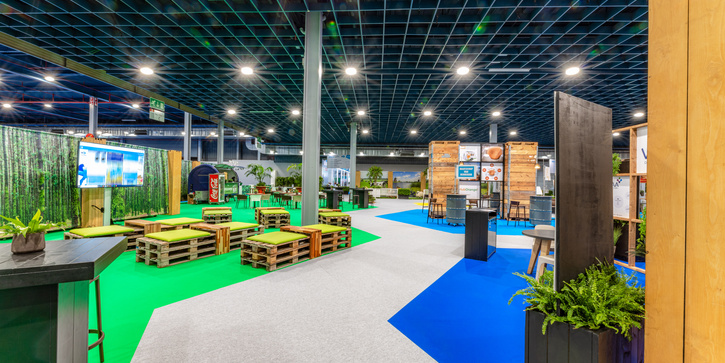
Organizing a sustainable event is not only an important step towards reducing your environmental impact, but it's also an opportunity to build your reputation as a leader in sustainability. By taking proactive steps such as using renewable energy sources and minimizing single-use items, you'll be able to demonstrate that your organization is committed to doing its part for the environment. Additionally, by promoting sustainability initiatives at your tradeshow or event, you will be able to raise awareness about environmental issues and encourage others to take action. Ultimately, these efforts will help make sure that your event leaves minimal impact on the planet while still providing great experiences for attendees!
What you'll learn in this blog:
- What is a sustainable event?
- What are the benefits of hosting a sustainable event?
- How can I make my event more sustainable?
- What are some tips for choosing sustainable event venues?
- How can I promote sustainable transportation options to my guests?
What is a sustainable event?
A sustainable event is one that is planned with a focus on minimizing its environmental impact and providing an enjoyable experience for guests. This includes taking steps to reduce waste, choose green materials, and support local businesses. Sustainable events often involve choosing eco-friendly methods of transport for attendees and using renewable energy sources for electricity. Additionally, sustainable event organisers look for ways to minimize water use and create a carbon neutral event.
What are the benefits of hosting a sustainable event?
Hosting a sustainable event has numerous benefits, both for your organization and the planet! Not only will you be helping to reduce climate change by reducing emissions from transportation and electricity usage, but you’ll also be able to show your commitment to sustainability initiatives.
Additionally, by implementing sustainable practices, you may be able to reduce costs and create a positive impact on your local community. Finally, it's an opportunity for you to demonstrate your leadership in the sustainability space and build your reputation as a champion of green initiatives!
How can I make my event more sustainable?
1. Choose renewable energy sources for electricity
Using renewable energy sources to power your event is a great way to reduce emissions and minimize the environmental impact of your event. There are several types of renewable energy sources that can be used to generate electricity, including solar, wind, and hydropower.
Solar panels can be installed onsite or rented from an external provider. Meanwhile, wind turbines and hydropower could be used to generate electricity, but are not mobile as of now. However, as an event organiser, you can look for event locations that have already integrated renewable energy.
In addition, many organizations are now using biodiesel generators as an alternative fuel source for powering their events. All of these options offer more sustainable alternatives than traditional fossil fuels such as coal and oil.
2. Utilize eco-friendly methods of transport for attendees
Providing eco-friendly transportation to and from an event is an important part of creating a sustainable event. Event organisers have the opportunity to reduce emissions by offering public transport options or encouraging attendees to use carpooling or ride-sharing services. Additionally, many cities now offer bike rentals that can be used as a form of transportation for those who don’t mind getting some exercise on their way to the event!
In general, it's important to look at the entire trajectory of event transportation. Think about how you can get people from their house to the event and back. Think about possible limitations, like the fact public transport is limited late at night.
Look for a seamless way to provide options from people's house to a public transportation hub, and then from the arrival hub to the event location. This multi-modal way of thinking can greatly increase the often invisible environmental impact of events.
3. Minimize water use
Water conservation is an important part of creating a sustainable event. Events often require large amounts of water, so it’s important to take steps to reduce the amount used and minimize wastage.
One way to do this is by providing guests with reusable water bottles instead of single-use plastic ones. This will not only help reduce waste but also encourage attendees to stay hydrated throughout the event! Additionally, you can install low-flow faucets and toilets in bathrooms or provide hand sanitizer stations instead of running taps for guests who don't need them.
You could also look into installing rainwater harvesting systems that collect and store rainwater for use during dry periods or other events when there may be restrictions on water usage. Finally, make sure your staff are aware of any local regulations regarding water conservation as well as any incentives offered by utility companies for conserving resources. With these simple steps, you can ensure that your event leaves a minimal environmental footprint while still providing your guests with all the necessary amenities they need!
4. Use green materials whenever possible
When we think about green materials at events, it's logical that cups, cutlery and other types of food and beverage items come to find first. However, there are so many other resources at an event that can be made green. Let's take a look:
- Catering: food also has an impact on your event carbon footprint. Choosing a local caterer that provides vegan or vegetarian options and carefully handles leftovers, is a surefire way to be more sustainable at any type of event. And don't worry, going green isn't a trend, it's a must in this time and age. Not providing meat won't kill your event - unless it's a trade show for the meat industry, of course.
- Event carpet: let's face it: almost every event uses carpet. It guides people, enforces your branding and brightens up event halls all over the globe. But event carpets have a big impact on the environment and usually end up being single use. Well, not anymore. With Rewind Carpet, the age of disposable carpets is over. A 100% recyclable carpet that is produced in a water-free and energy-efficient way to provide a closed loop for your event. You can find out more about cradle-to-cradle event carpets here.
- Stages: whether we are talking about a podium or a fair stand, a lot of materials go into creating the visual communication that attracts people to a part of your event. Therefore, it's important to demand sustainable ways of producing and reusing stands at trade shows and do your part to go as green as possible in decorating your event. That means simple things as using led lighting, but also making sure that what you use can be reused or recycled afterwards.
- Goodies: One way to make sure that events are sustainable is to provide attendees with sustainable goodies. This can be achieved by offering eco-friendly items like reusable water bottles, mugs, and grocery bags. Additionally, you can provide treats such as organic snacks or fair trade coffee and tea in recyclable packaging. By doing so, you will reduce waste, support ethical production and provide guests with useful items that can be used for years to come.
- Print: at events, people are usually bombarded by different types of single-use products to inform them about how to navigate or give them access to the event. Printed tickets, event maps, brochures from companies or the organiser, wristbands, lanyards... the options in print are endless. And while everyone understands the opportunity to communicate your brand with something lasting, choosing digital alternatives can provide sustainable alternatives without reducing the experience for your visitors. Be creative by using an event app or mini-site and if you can't opt for a digital alternative, at least provide a clear way to collect and reuse products like lanyards or name cards at the exit of the event.
5. Support local businesses in the area
Using local businesses for your event can be a great way to reduce the environmental impact of your event. By sourcing materials and services from local vendors, you'll cut down on emissions associated with transportation, since products don't have to be shipped long distances.
Additionally, using locally-sourced items means that money stays in the local economy and supports small businesses who are often more likely to prioritize sustainability initiatives like waste reduction or energy efficiency than larger companies.
Furthermore, it's easier to find out if suppliers use sustainable practices when they're part of the community; you can visit their facilities and ask them questions about their operations before making any commitments. This helps ensure that any resources used at your event were sourced responsibly so you can truly build your brand’s reputation as a champion of green initiatives!
6. Reduce waste by using reusable items instead of single-use ones
Reusable items are an important part of creating a sustainable event. Instead of using single-use items like disposable water bottles, plastics and paper products, event organisers should opt for reusable alternatives. Reusable cups, plates, cutlery and cloth napkins are cost-effective and can be washed easily, reducing the waste that would otherwise have been generated by single-use items.
Additionally, reusable items can easily be branded to add a personalized touch to your event and will save you money in the long run since they don’t need to be replaced after each event! Finally, opting for reusable items sends an important message to guests that you are committed to protecting the environment and reducing waste
7. Encourage recycling at the event, including paper, plastic, and glass
Managing waste at events and trade shows is an important part of creating a sustainable event. Not only does it reduce the amount of trash produced, but it also sends a message to guests that you are committed to protecting the environment and reducing your environmental impact. To ensure that your event or trade show is as green as possible, there are several steps you can take to minimize waste and inform attendees about the importance of recycling.
Provide multiple recycling bins for paper, plastic, glass, and aluminum. Make sure the bins are clearly marked and easy to access so guests know where to recycle their waste. Additionally, you can provide clear signage or handouts that explain the different types of materials that should be recycled and how they should be sorted.
Finally, you can make recycling fun for guests by providing incentives for those who recycle the most. This will not only encourage more people to participate in your event’s green efforts, but it will also send a positive message about sustainability and help create lasting positive associations with your brand.
By taking these steps and implementing sustainable practices at your events and trade shows, you can create an environmentally-friendly event that demonstrates your commitment to protecting the planet. This will help build your brand’s reputation as a champion of sustainability and green initiatives!
8. Educate attendees about sustainability initiatives and encourage them to take action after the event is over!
In addition to implementing sustainable practices at your event, it’s important to also educate attendees about sustainability initiatives and encourage them to take action after the event is over. This can be done through workshops, seminars, or presentations that focus on green topics like energy efficiency, waste reduction, and water conservation. During these sessions you can provide resources and information about sustainable practices attendees can use in their homes, businesses and daily lives.
You can also encourage guests to take action by providing them with opportunities to donate to green causes or volunteer for local environmental initiatives. This will not only help create more awareness around sustainability topics, but it will also send a powerful message that your brand is committed to preserving the environment.
By taking these steps, you can not only create a sustainable event, but also empower attendees to take action and make a difference in their own lives. This will help create lasting positive associations with your brand and demonstrate your commitment to protecting the planet!
What are some tips for choosing sustainable event venues?
- Consider capacity: think about the amount of people you expect at your event and choose a venue that has a capacity that is as close as possible to that number. If your event space is too large, it will require more resources for heating and light, which would make it even harder to organize a carbon neutral event.
- Energy efficiency: as we mentioned before, a venue can do a lot when it comes to energy resources, from generating renewable energy to reducing water usage and implementing a smart waste management system. Try to find out where they stand on this when looking for a venue.
- Location: the closer an event is to your invitees, the more chance they will use eco-friendly modes of transportation.
- Sustainable vision: if an event venue is actively communicating about their sustainable efforts and goals, they might be suited for a long-term relationship where you can reinforce each other's efforts.
- Certifications: there are many certifications given out to green event venues. If an event venue has a Leadership in Energy & Environmental Design certification (LEED), IACC Green Star certification, the Building Owners and Managers Association Building Environment Standards (BOMA BESt), or one of the many others, you know a third party has reviewed them and deemed that venue environmentally-friendly.
How can I promote sustainable transportation options to my guests?
Promoting sustainable transportation options to guests is an important part of organizing an eco-friendly event that reduces the environmental impact. To ensure your guests are encouraged to make environmentally conscious decisions when travelling to and from the event venue, there are a variety of things you can do.
First, consider partnering with a rideshare or public transportation company to provide discounted fares for your guests. You can also provide tickets for local trains or buses as part of the event package, incentivizing attendees to use more eco-friendly methods of transport. Additionally, use digital communication channels such as email and social media to promote sustainable forms of transport, such as carpooling and cycling.
Finally, you can make it easier for guests to find directions and transportation options by providing a detailed map of the event venue with public transport links or bike routes. By doing this, you’ll be helping your guests make greener travel choices while also reducing carbon emissions!
Organising an eco-friendly event is a great way to demonstrate your commitment to preserving the environment. By taking steps such as choosing sustainable venues, encouraging guests to donate and volunteer for green causes, and promoting sustainable transportation options, you can create positive associations with your brand while reducing carbon emissions at the same time! With these tips in mind, start planning your next event today – it’s easier than ever before to make sure that every step of the process is kinder on our planet.
Also interesting
Rewind is greening Jaarbeurs one fiber at a time

Over 100,000 m² of Rewind carpet used at the ESMO Congress 2022 gets a second life